Roof Leaf Cleanup Timing Guide
Roof leaf cleanups are essential for maintaining the integrity and appearance of a roof. The timing of these cleanups can significantly impact the effectiveness of debris removal and roof longevity. Proper scheduling ensures that leaves, twigs, and other organic matter do not accumulate excessively, preventing potential damage such as clogged gutters, mold growth, or roof deterioration.
Spring is an ideal time to remove accumulated debris from winter, preparing the roof for the warmer months.
Fall is critical for cleaning up fallen leaves, preventing gutter blockages and roof damage before winter.
After storms, debris and branches may fall, making immediate cleanup necessary to protect the roof.
Early summer inspections help identify and remove debris that may have blown onto the roof during spring.
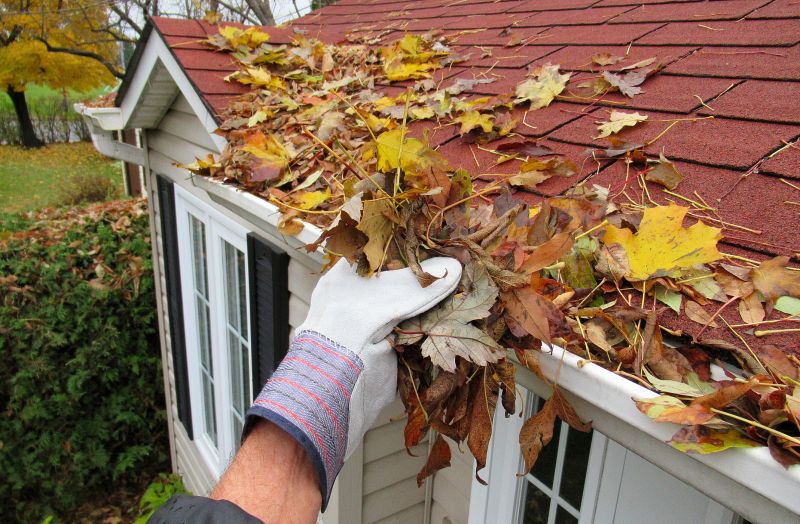
Ways to make Roof Leaf Cleanups work in tight or awkward layouts.
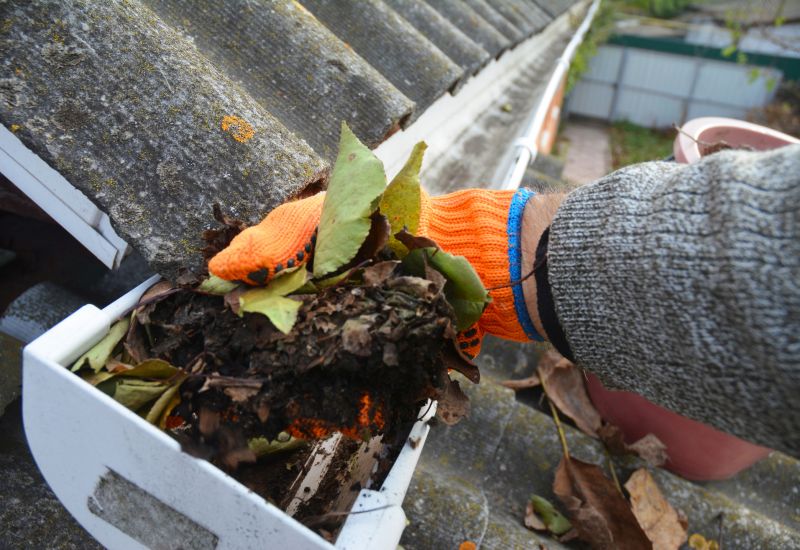
Popular materials for Roof Leaf Cleanups and why they hold up over time.
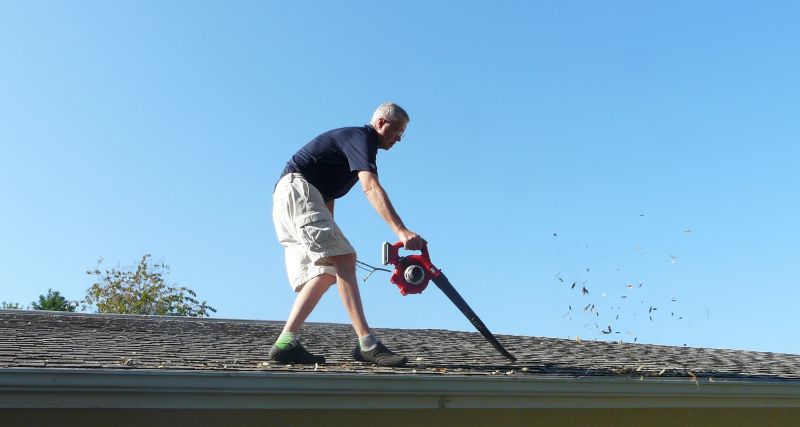
Simple add-ons that improve Roof Leaf Cleanups without blowing the budget.
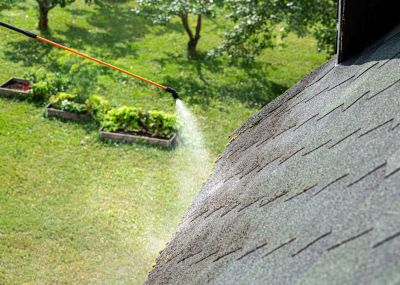
High-end options that actually feel worth it for Roof Leaf Cleanups.

Finishes and colors that play nicely with Roof Leaf Cleanups.

Little measurements that prevent headaches on Roof Leaf Cleanups day.
Roof leaf cleanups involve removing leaves, twigs, pine needles, and other organic debris that can accumulate on rooftops. This process helps prevent clogged gutters, which can lead to water damage, and reduces the risk of moss and algae growth that can compromise roofing materials. Regular cleanups can extend the lifespan of roofing components and maintain the roof's appearance. Statistics indicate that neglecting debris removal can lead to increased repair costs, with some estimates suggesting that improper maintenance can reduce roof lifespan by up to 30%.
Performing roof leaf cleanups at optimal times minimizes the risk of damage and ensures that gutters and downspouts function correctly. It also helps identify potential issues early, such as damaged shingles or leaks, before they escalate into costly repairs. Scheduling cleanups seasonally, especially in spring and fall, aligns with natural debris cycles and weather patterns, promoting a healthier roof environment.
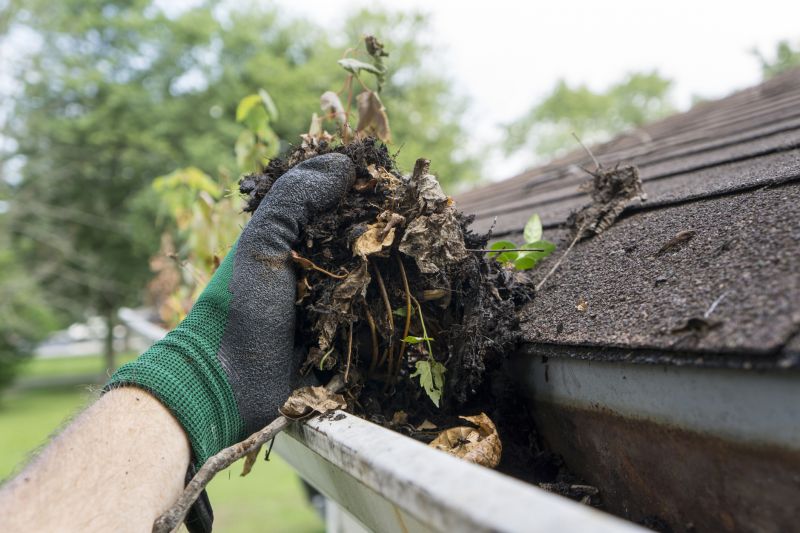
A 60-second routine that keeps Roof Leaf Cleanups looking new.
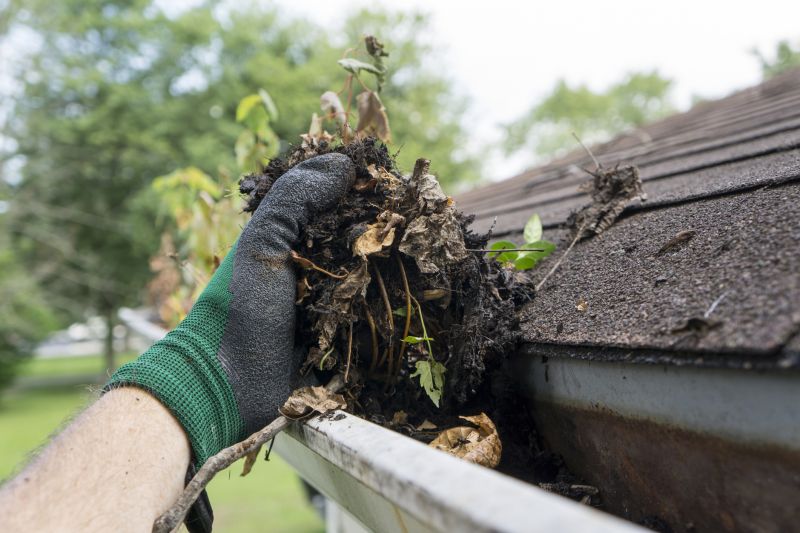
A frequent mistake in Roof Leaf Cleanups and how to dodge it.
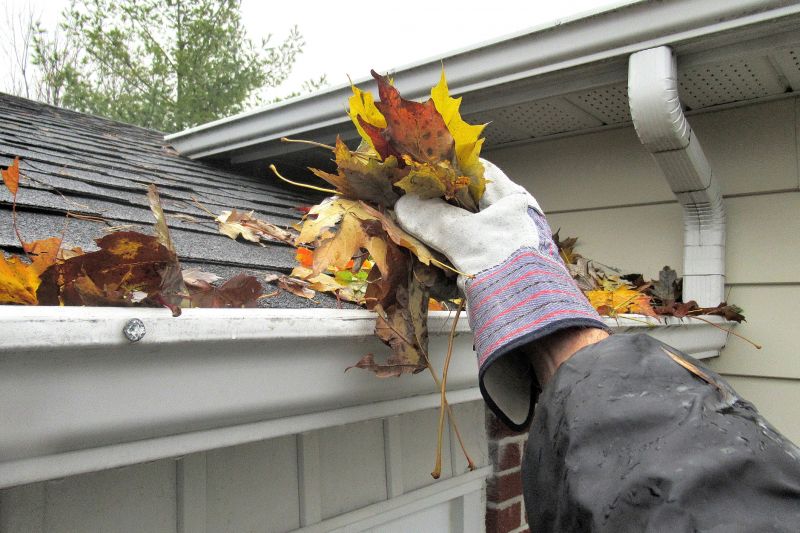
Small tweaks to make Roof Leaf Cleanups safer and easier to use.
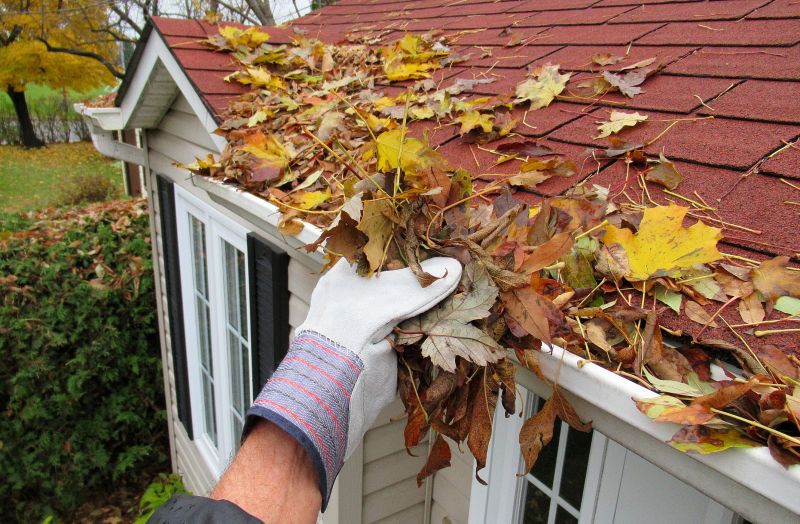
Lower-waste or water-saving choices for Roof Leaf Cleanups.
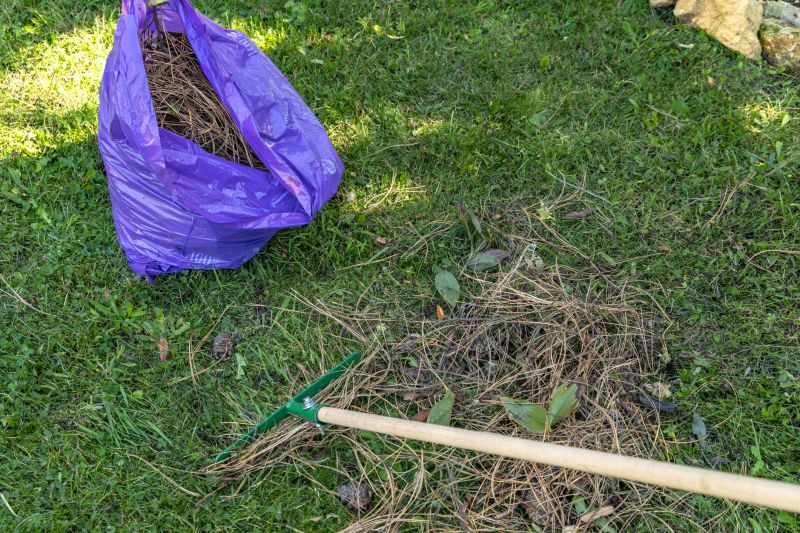
The short, realistic tool list for quality Roof Leaf Cleanups.
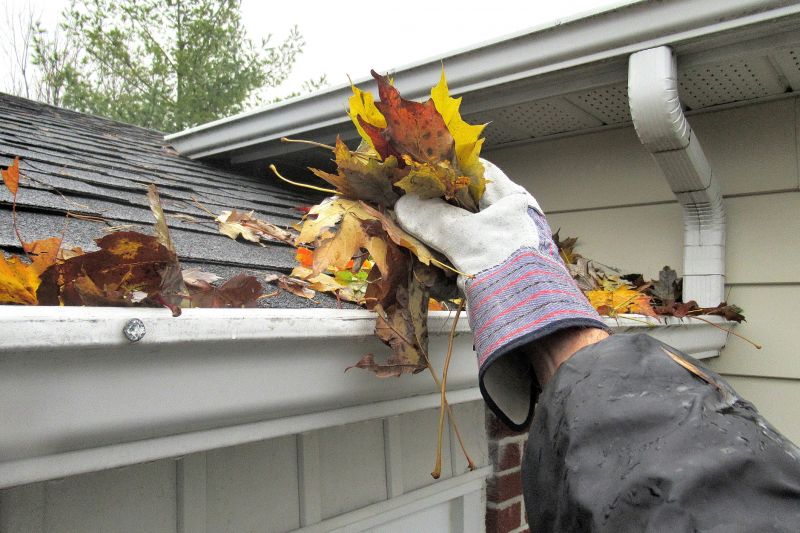
Rough timing from prep to clean-up for Roof Leaf Cleanups.

Quick checks and paperwork to keep after Roof Leaf Cleanups.
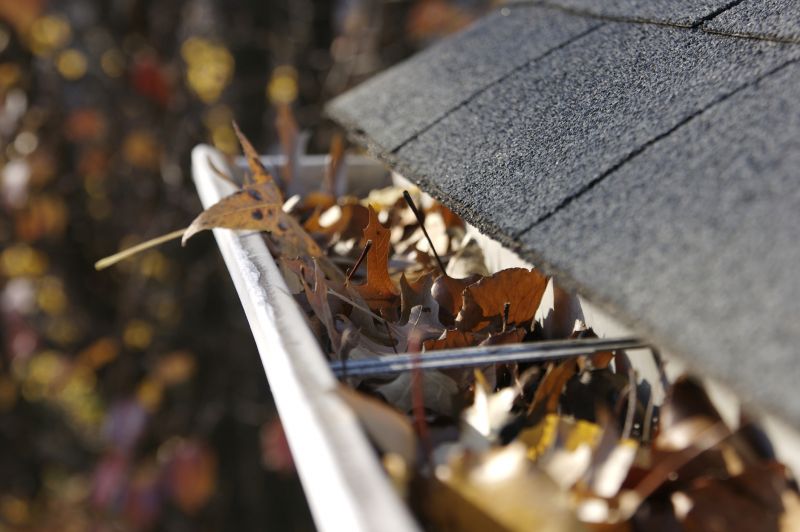
Examples that show the impact a good Roof Leaf Cleanups can make.
| Timing | Benefits |
|---|---|
| Spring | Removes winter debris, prepares roof for summer. |
| Fall | Prevents gutter blockages, protects roof before winter. |
| Post-Storm | Removes storm debris, reduces damage risk. |
| Early Summer | Identifies and clears debris from spring. |
| Late Summer | Prevents buildup before fall. |
| Late Fall | Final cleanup before winter. |
Effective roof leaf cleanup practices involve regular inspections and debris removal aligned with seasonal changes. Proper timing ensures that organic matter does not cause moisture retention, mold growth, or structural damage. Maintaining a schedule based on local weather patterns and debris accumulation rates can help prolong the life of roofing systems and protect property value.
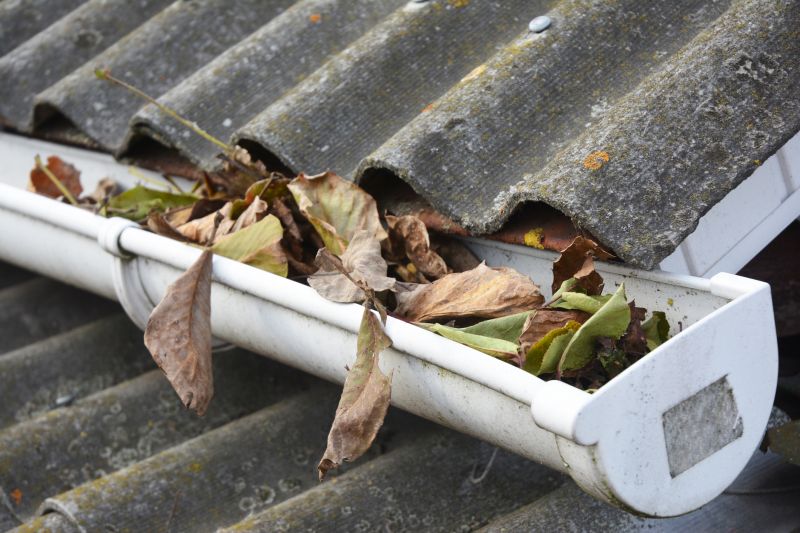
Ways to make Roof Leaf Cleanups work in tight or awkward layouts.
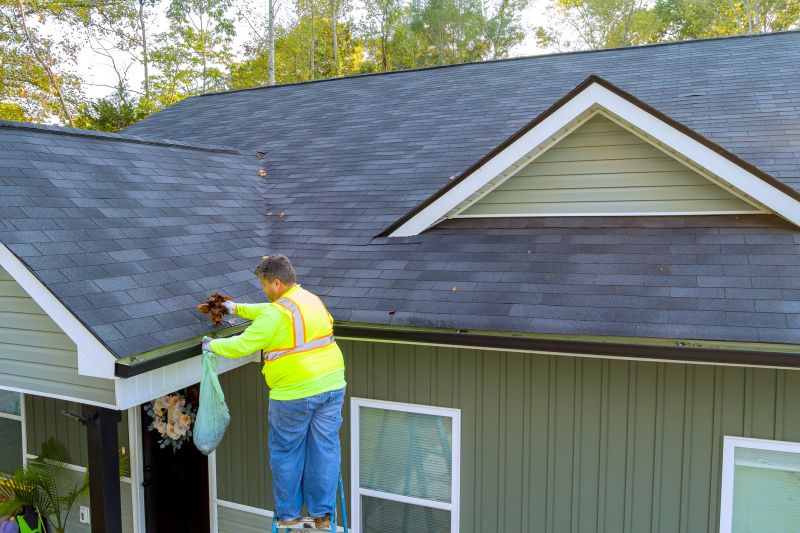
Ways to make Roof Leaf Cleanups work in tight or awkward layouts.
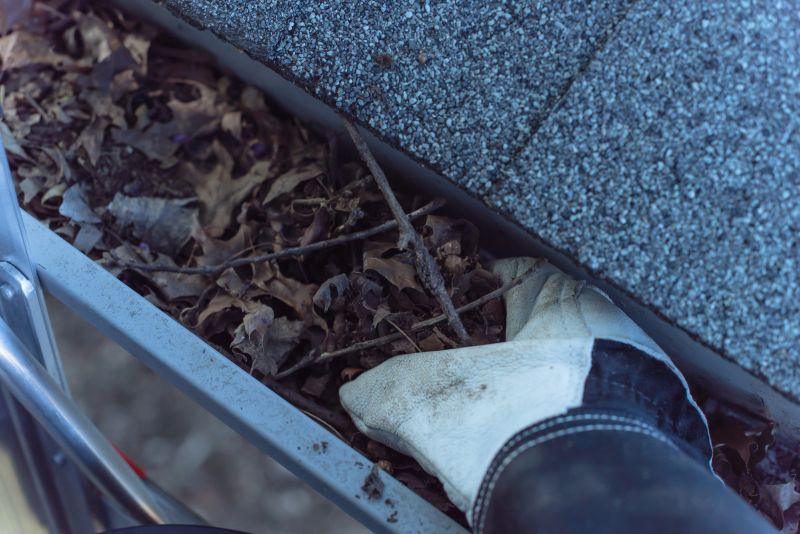
Ways to make Roof Leaf Cleanups work in tight or awkward layouts.
Interested in scheduling roof leaf cleanups? Filling out the contact form can help determine the best timing and frequency for maintenance based on specific roof conditions and local climate patterns.