Log Home Weatherproofing in Seattle, WA
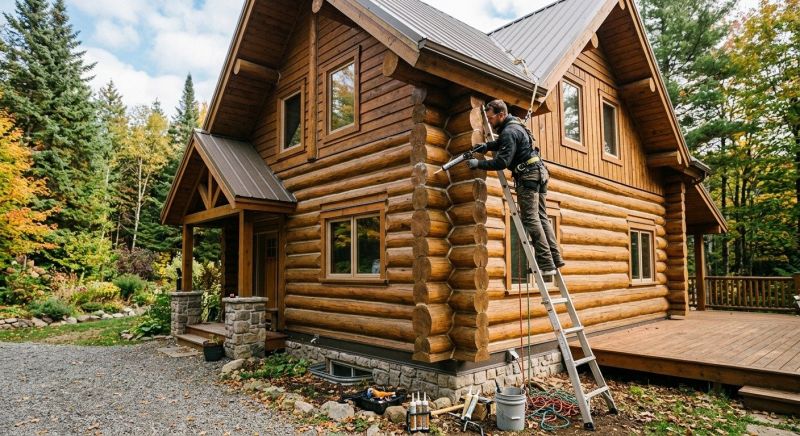
Log home weatherproofing services focus on protecting wooden structures from the elements, helping to maintain their appearance and structural integrity over time. These services typically include sealing gaps, applying protective finishes, and addressing areas vulnerable to moisture, wind, and temperature fluctuations. Projects can range from sealing a newly built log cabin to restoring and safeguarding an older home that has experienced weather-related wear. Homeowners often seek weatherproofing to prevent issues such as wood rot, mold growth, and drafts, ensuring their property remains comfortable and durable through changing seasons.
Before requesting weatherproofing services, property owners usually want to understand the extent of the work needed and the specific areas that require attention. It’s helpful to assess whether the project involves the entire structure or targeted repairs, such as sealing around windows, doors, or logs. Knowing the current condition of the wood and any existing damage can aid in planning the most effective weatherproofing approach. Clarifying expectations about maintenance and the types of protective treatments available can also help homeowners make informed decisions for their log homes.
Many property owners in Seattle, WA look into Log Home Weatherproofing for repairs, replacements, upgrades, and appearance-related improvements.
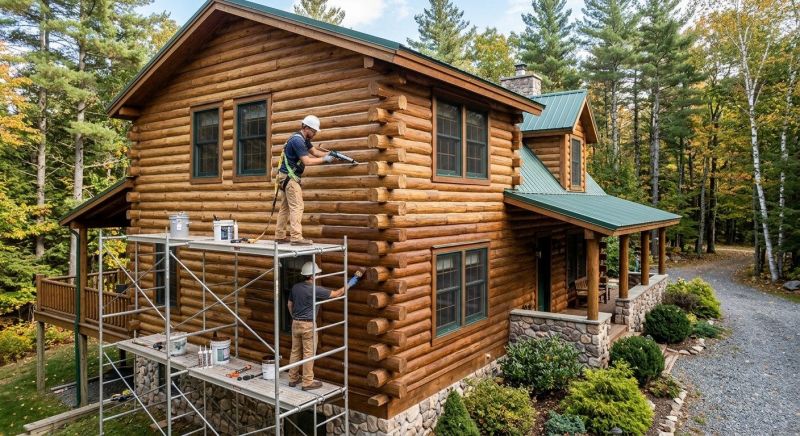
Protecting Log Homes From Moisture
Weatherproofing helps prevent water damage and wood rot in log homes.
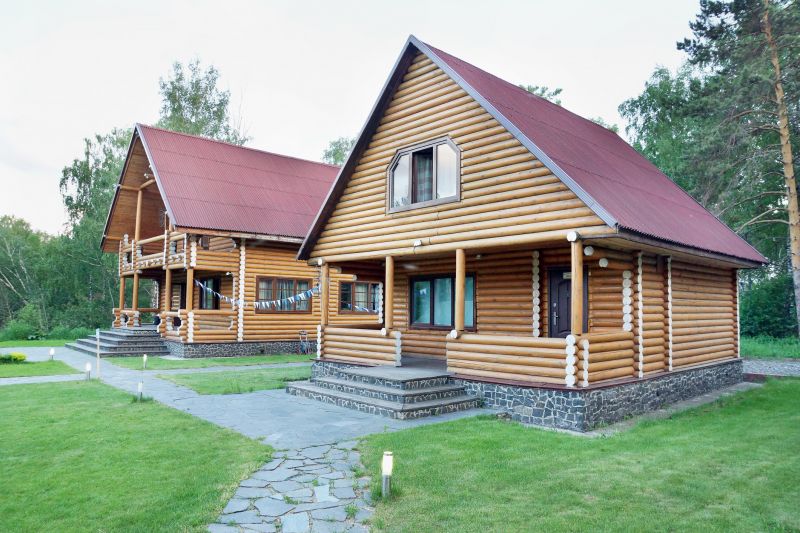
Enhancing Durability And Longevity
Proper sealing extends the lifespan of log structures in seattle's climate.
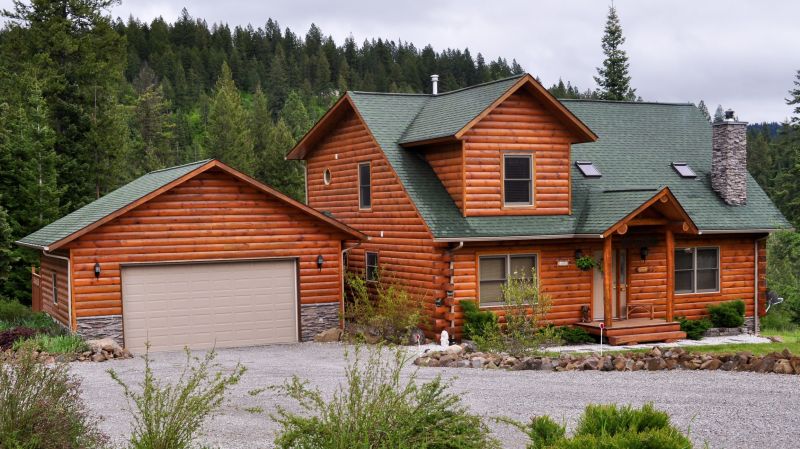
Maintaining Curb Appeal And Value
Weatherproofing preserves the appearance and value of your log home over time.
Log Home Weatherproofing in Seattle, WA

Log home weatherproofing services focus on protecting wooden structures from the elements, helping to maintain their appearance and structural integrity over time. These services typically include sealing gaps, applying protective finishes, and addressing areas vulnerable to moisture, wind, and temperature fluctuations. Projects can range from sealing a newly built log cabin to restoring and safeguarding an older home that has experienced weather-related wear. Homeowners often seek weatherproofing to prevent issues such as wood rot, mold growth, and drafts, ensuring their property remains comfortable and durable through changing seasons.
Before requesting weatherproofing services, property owners usually want to understand the extent of the work needed and the specific areas that require attention. It’s helpful to assess whether the project involves the entire structure or targeted repairs, such as sealing around windows, doors, or logs. Knowing the current condition of the wood and any existing damage can aid in planning the most effective weatherproofing approach. Clarifying expectations about maintenance and the types of protective treatments available can also help homeowners make informed decisions for their log homes.
Many property owners in Seattle, WA look into Log Home Weatherproofing for repairs, replacements, upgrades, and appearance-related improvements.
Common Log Home Weatherproofing Jobs
Log Home Weatherproofing - Ensures the exterior of log homes is protected from moisture and harsh weather conditions.
Sealant Application - Applies specialized sealants to prevent water infiltration and reduce drafts.
Chinking and Caulking - Repairs and replaces gaps between logs to improve insulation and prevent leaks.
Exterior Staining - Adds protective stains that shield logs from weather damage and UV rays.
Log Surface Treatments - Treats logs to resist mold, mildew, and insect damage.
Drainage and Gutters - Maintains proper drainage systems to direct water away from the foundation and logs.
Log Home Weatherproofing Questions
Why is weatherproofing important for log homes? Weatherproofing helps protect log homes from moisture, decay, and damage caused by exposure to the elements, extending the lifespan of the structure.
What types of weatherproofing treatments are available? Treatments include sealants, stains, and finishes designed to repel water, prevent UV damage, and reduce the risk of cracking and splitting.
How often should log home weatherproofing be reapplied? Reapplication is typically recommended every 3 to 5 years, depending on the product used and local weather conditions.
What areas of a log home benefit most from weatherproofing? The exterior walls, corners, and any exposed logs are key areas to focus on for effective weatherproofing.
Request Log Home Weatherproofing in Seattle, WA
Use the quote form on this page to share the basics of your project and request more information for the type of work you need.